


Nature's bounty is often surprising. From the heart of dense Indian forests comes a silk that's not just beautiful, but also rugged, resilient, and uniquely charming. It's Tusser silk, also known as 'Kosa' silk, a fabric that truly embodies the spirit of wild India. This post delves into the fascinating world of Tusser, exploring its origins, its meticulous making, and the factors that make it a cherished choice for many.
The Silk that's Born Wild
Unlike the pampered silk of the Bombyx mori (Mulberry silkworm) raised in cozy indoor conditions, Tusser silk is the product of Antheraea mylitta, a wild silkworm. This rugged little creature doesn't munch on delicate mulberry leaves; it thrives on a variety of trees found in the deciduous forests of India, including Terminalia tomentosa (Asan) and Terminalia arjuna (Arjun). This wild origin gives Tusser its distinctive golden hue, a natural variation in texture, and its inherent sturdiness.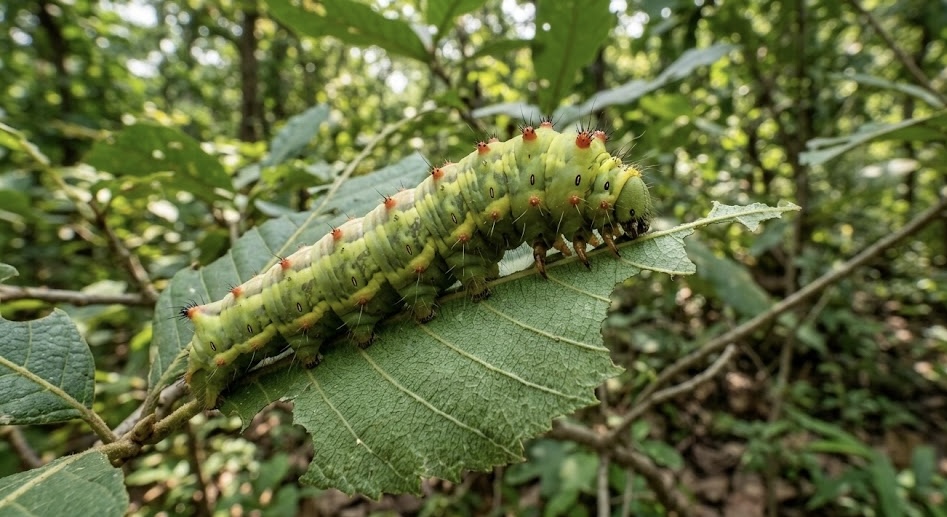
A Geographical Legacy: The Heart of Tusser Production
Tusser's home is predominantly the tribal belts of central and eastern India. The major states that are the backbone of Tusser silk production include:
-
Chhattisgarh: This state is a significant hub, especially areas like Champa and Raigarh.
-
Jharkhand: Regions like Bhagalpur (historically part of Bihar but culturally linked) and Seraikela are synonymous with Tusser.
-
Odisha: Particularly Nuapatna and Sonepur are known for their traditional Tusser weaves.
-
West Bengal: Centered around districts like Malda, Murshidabad, and Birbhum, Bengal’s Tusser is celebrated for its lightweight feel. It is often used as the base for the legendary Kantha stitch and is frequently blended with cotton to create "Tussar-Gheetcha" fabrics.
From Larvae to Luster: The Journey of a Tusser Saree
The journey of Tusser silk is a slow, methodical, and labor-intensive process, involving a delicate interplay between nature and human skill.
- Cultivation (or rather, Collecting): Tribal communities venture into the forests to collect cocoons from the trees where the wild silkworms have spun their homes. It's a seasonal activity, carefully timed.
- Reeling: Once the cocoons are gathered, they undergo a process called reeling. To soften the tough sericin (the natural glue) holding the silk filament, the cocoons are boiled in water or, traditionally, treated with ash or soda. Then, the silk filament is meticulously unwound from the cocoon. This step requires immense skill and patience, as several filaments are twisted together to form a thread strong enough for weaving.
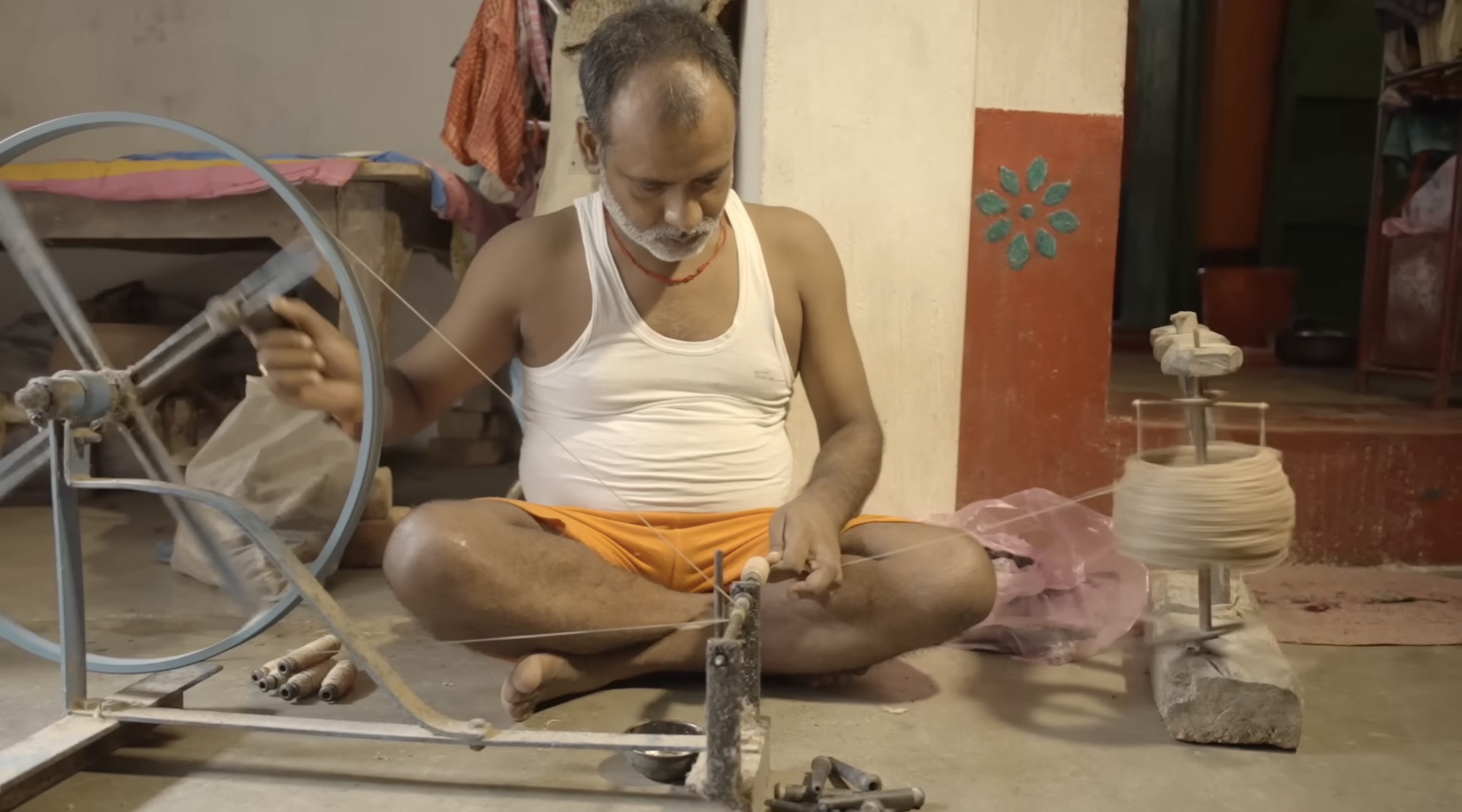
- Spinning: The reeled silk thread (called ghicha) is then spun into a yarn suitable for weaving. Sometimes, to add different textures and colors, other fibers or dyed Tusser yarns are blended during spinning.
- Warping and Weft Preparation: Before weaving, the warp (the vertical threads) and the weft (the horizontal threads) are carefully prepared. The warp threads are stretched and aligned on a frame, and the weft threads are wound onto shuttles.
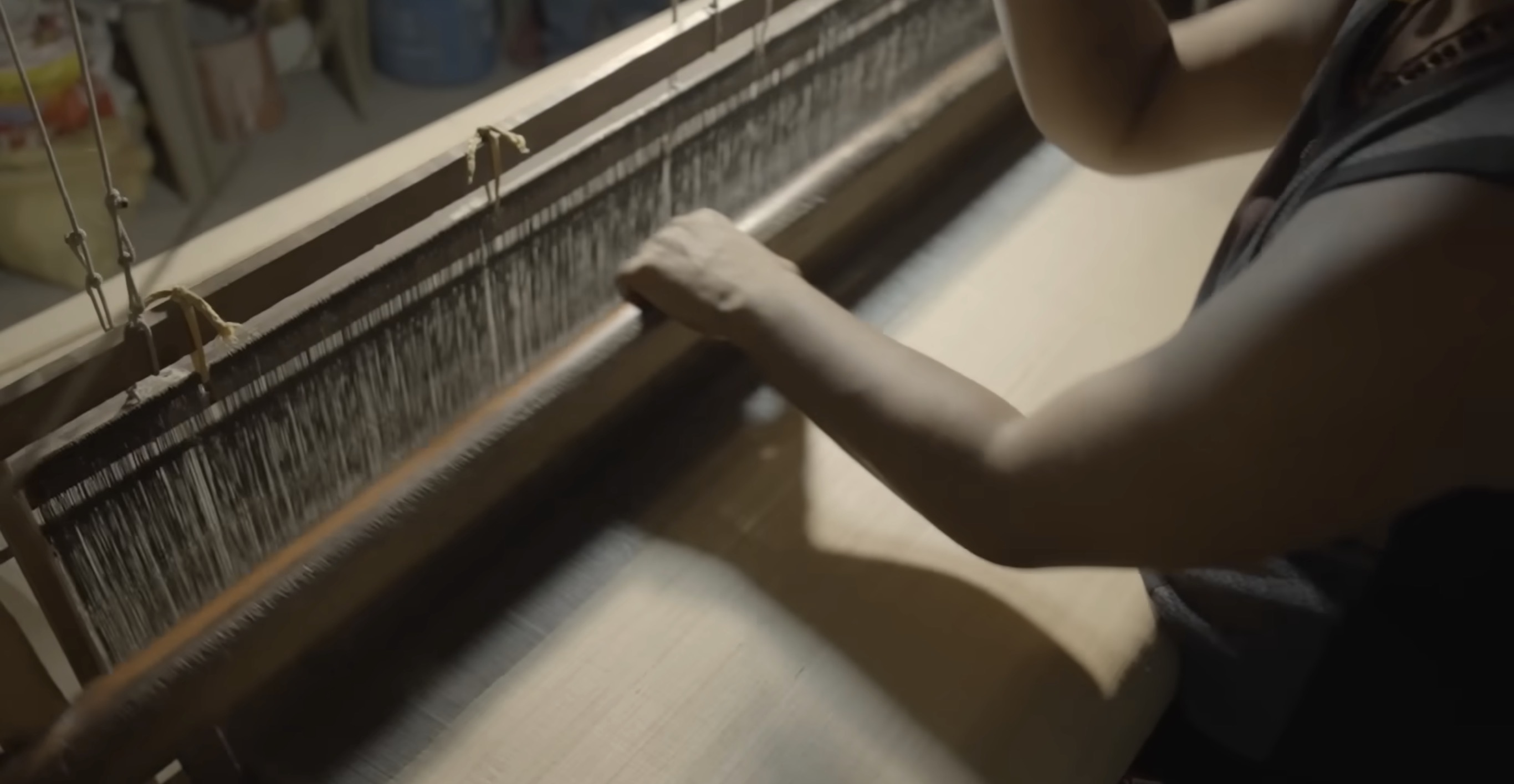
- Weaving: Finally, the weaving begins. The artisan, often using a traditional handloom, painstakingly interlaces the warp and weft threads to create the desired fabric. This is where the magic truly happens, where simple threads transform into a tapestry of patterns and textures. Traditional motifs like birds, flowers, elephants, or geometric designs are often woven directly into the fabric, showcasing the weaver's artistry and cultural heritage.
The Time Untangled
The entire process, from collecting the cocoons in the forest to the final handloom saree, is slow and depends on several factors, including weather conditions, the skill of the artisans, and the complexity of the design. A single Tusser saree, meticulously handwoven, can take anywhere from a few weeks to several months to complete. This patience and skill are reflected in the fabric's unique character and lasting value.
Why Choose Tusser? The Benefits that Go Beyond Beauty
While its unique texture and natural golden sheen are undeniably attractive, Tusser silk offers a range of practical benefits that make it a favorite choice:
-
Durability: Tusser silk is exceptionally durable and long-lasting. It has good tensile strength and can withstand regular wear and tear. A Tusser saree, if cared for properly, can be a cherished possession for generations.
-
Breathability: Due to its uneven texture and natural fibers, Tusser silk is breathable and comfortable to wear, even in warm and humid climates. It's relatively cooler than some other types of silk.
-
Low Maintenance: Tusser silk is less demanding than delicate silks like mulberry. It can be hand-washed or dry-cleaned with relative ease and often doesn't require ironing, maintaining its natural drape.
-
Eco-Friendly: Being a wild silk that's primarily forest-grown, the cultivation and production of Tusser silk have a lower environmental footprint compared to large-scale indoor sericulture. It supports the livelihoods of tribal communities who act as stewards of the forests.
-
Versatility: Tusser silk is incredibly versatile. It can be woven into a wide range of fabrics, from lightweight stoles and scarves to heavy, richly detailed sarees. It also lends itself well to various dyeing techniques and printing processes.
The Conscious Silk: Why It's Called "No-Harm Silk"
One of the most appealing aspects of Tusser silk for ethically minded consumers is its reputation as "no-harm silk" or "Ahimsa silk" (peace silk). This term refers to a specific method of harvesting the silk cocoons.
In conventional silk production, the silkworm pupae inside the cocoons are typically killed (often by boiling or steaming) before the silk is reeled. This is done to prevent the moth from emerging and breaking the long, continuous silk filament, which makes the silk stronger and easier to process.
In the Ahimsa silk or "cruelty-free" method, however, the artisans wait for the silk moth to naturally emerge from the cocoon. Once the moth has escaped, the empty cocoon is collected. Because the emerging moth has broken the silk filament, the resulting silk (known as ghicha silk) is shorter and less continuous. While this makes the processing more challenging and the resulting yarn slightly coarser, it ensures that no living being is harmed in the process. This practice aligns with the principle of non-violence (Ahimsa), which is a key value for many, particularly in Jain and some Hindu traditions.
Final Thoughts: Embracing the Wild Grace
Tusser silk is more than just a fabric; it's a connection to the wild heart of India, a celebration of traditional craftsmanship, and a conscious choice for those who value ethical fashion. In a world increasingly dominated by synthetic materials and mass production, the rustic elegance and timeless appeal of a handwoven Tusser saree stand out, telling a story of patience, skill, and a respectful relationship with nature. So, the next time you hold a piece of Tusser silk, appreciate not just its beauty, but also the rich journey it has taken to reach you.